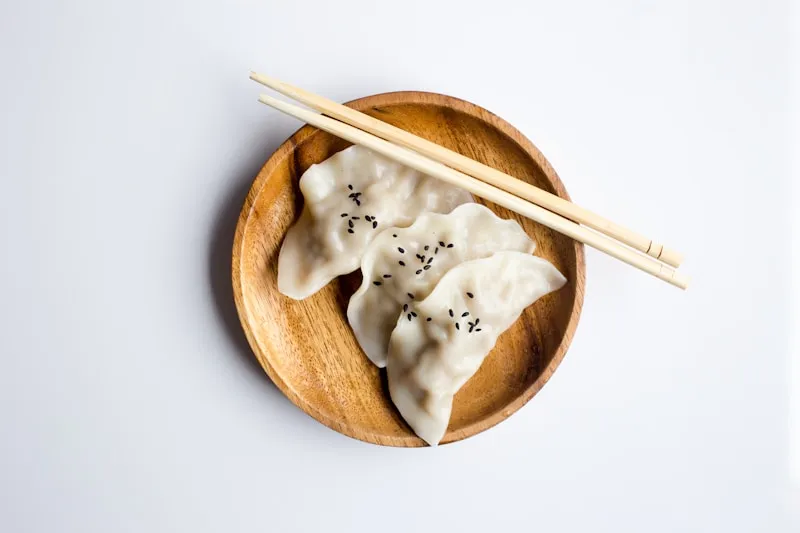
Dumplings are universal - nearly every culture has some version. Learning to make Asian dumplings has been a journey of folding techniques, filling combinations, and the meditative process of creating dozens of little parcels by hand.
The Wrapper
Making dumpling wrappers from scratch is worth the effort.
Basic Dough
Ingredients:
- All-purpose flour
- Hot water (for tenderness)
- Cold water (for structure)
The Process
- Mix flour with hot water first
- Add cold water gradually
- Knead until smooth
- Rest for 30 minutes
- Roll into thin circles
The dough should be soft but not sticky, thin but strong enough to hold filling.
Chinese Jiaozi
The classic Chinese dumpling, eaten across China with regional variations.
Pork and Cabbage Filling
Ingredients:
- Ground pork
- Napa cabbage, minced and squeezed
- Ginger, garlic, green onions
- Soy sauce, sesame oil, white pepper
Folding Technique
- Place filling in center
- Fold in half
- Pleat one side, pressing to seal
- Should stand on its own
Cooking Methods
- Boiling: For soup dumplings
- Pan-frying: Crispy bottom, steamed top (potstickers)
- Steaming: Delicate and light
Japanese Gyoza
Thinner wrappers, more garlic, distinctive crescent shape.
Gyoza Filling
- Ground pork
- Cabbage (finer than jiaozi)
- Lots of garlic
- Ginger, green onion
- Soy sauce, sake, sesame oil
The Fold
Gyoza are folded with pleats on one side, creating a flat bottom for pan-frying.
The Cooking
The “fry-steam-fry” method:
- Fry bottom until golden
- Add water and cover to steam
- Remove lid and crisp bottom again
Korean Mandu
Larger dumplings, often with more vegetables.
Kimchi Mandu
Fermented kimchi adds depth and tang to the filling.
Folding Techniques
Simple Crescent
For beginners - fold in half and press to seal.
Pleated Edge
The classic technique - creates a decorative edge and ensures good seal.
Money Bag Shape
Gather edges to top and twist, creating a pouch.
Triangle Fold
Fold round wrapper into triangle, seal edges.
Dipping Sauces
Chinese Style
- Black vinegar
- Soy sauce
- Chili oil
- Fresh ginger
Japanese Style
- Soy sauce
- Rice vinegar
- Chili oil
Korean Style
- Soy sauce
- Rice vinegar
- Sesame oil
- Green onions
- Red pepper flakes
The Ritual of Dumpling Making
Dumpling making is meant to be social. I invite friends over, set up stations, and we fold together while chatting. It’s meditative and communal simultaneously.
Assembly Line
- One person rolls wrappers
- Others fill and fold
- Someone manages cooking
- Everyone eats as they’re ready
Lessons from Dumpling Making
Practice Makes Perfect
My first dumplings were ugly. Now they’re presentable. The improvement comes only through repetition.
Imperfection is Okay
Even ugly dumplings taste good. The goal is delicious food, not perfection.
Patience
Making dozens of dumplings takes time. Accepting this pace has been a lesson in slowing down.
Community
Dumpling making brings people together. The process is as important as the result.
My Dumpling Tradition
Now, I make dumplings regularly. Sometimes it’s a solo meditation, rolling and folding in quiet concentration. Sometimes it’s a party, with friends gathered around the table, hands busy, conversation flowing.
Dumplings have taught me that food is about more than sustenance. It’s about tradition, community, and the joy of creating something with your hands. Each folded dumpling is a small act of care, a gift to whoever will eat it.