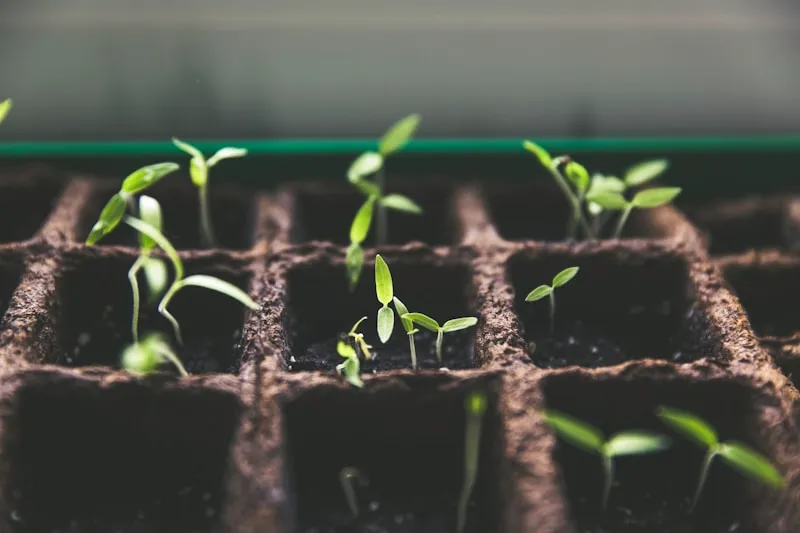
You don’t need a yard to be a gardener. My container garden on a small balcony has taught me that growing spaces can be anywhere. Here’s how I created a lush, productive garden in pots.
The Space
My balcony is 8x12 feet - not much, but enough. The key is thinking vertically and making every inch count.
Container Selection
Types of Containers
Terra Cotta
- Classic look
- Breathes (good for roots)
- Dries out quickly
- Can crack in freezing temperatures
Plastic
- Lightweight
- Retains moisture
- Affordable
- Less attractive (but can be painted)
Fabric Pots
- Excellent drainage
- Air prunes roots
- Portable
- Affordable
Self-Watering
- Great for thirsty plants
- Reduces watering frequency
- More expensive
- Perfect for tomatoes and peppers
Size Matters
Bigger is better. Small pots dry out too quickly and restrict root growth. I use:
- 5-gallon pots for tomatoes and peppers
- 3-gallon pots for herbs and greens
- Window boxes for lettuce and flowers
- Large pots for permanent plantings
Soil for Containers
Container soil isn’t garden soil. It needs to:
- Drain well
- Retain moisture
- Provide nutrients
My Mix
- 60% potting soil
- 30% compost
- 10% perlite or vermiculite
I add slow-release fertilizer and refresh the top few inches each year.
What Grows Well in Containers
Vegetables
Tomatoes
- Determinate varieties stay compact
- Cherry tomatoes are easiest
- Need support and consistent water
Peppers
- Perfect for containers
- Both hot and sweet varieties
- Love the heat of pots
Greens
- Lettuce, spinach, arugula
- Shallow roots, perfect for window boxes
- Succession plant for continuous harvest
Herbs
- Basil, parsley, cilantro
- Thyme, oregano, rosemary
- Mint (always in its own pot!)
Flowers
Annuals
- Petunias, million bells (trailing)
- Geraniums (classic)
- Marigolds (easy and cheerful)
Perennials
- Hostas (shade)
- Heucheras (colorful foliage)
- Dwarf varieties of larger plants
Vertical Gardening
Trellises
- Attach to walls
- Use for climbing plants
- Sweet peas, morning glories, beans
Hanging Baskets
- Utilize overhead space
- Trailing flowers and herbs
- Need frequent watering
Shelving
- Tiered plant stands
- Maximize floor space
- Group plants by light needs
Watering
The biggest challenge in container gardening is water.
Challenges
- Pots dry out faster than ground
- Hot weather means daily watering
- Vacation requires planning
Solutions
- Self-watering containers
- Drip irrigation on timer
- Water-holding crystals in soil
- Group pots to create humidity
- Mulch on top of soil
Fertilizing
Container plants need regular feeding because nutrients wash out with watering.
My Schedule
- Slow-release fertilizer at planting
- Liquid fertilizer every 2-3 weeks during growing season
- Compost tea occasionally
Seasonal Changes
Spring
- Start seeds indoors
- Harden off plants
- Plant after last frost
Summer
- Peak production
- Daily watering
- Regular harvesting
Fall
- Plant cool-season crops
- Bring tender plants inside
- Clean and store empty pots
Winter
- Overwinter herbs indoors
- Plan next year’s garden
- Order seeds
The Harvest
From my small balcony, I harvest:
- Tomatoes all summer
- Fresh herbs daily
- Lettuce spring through fall
- Peppers by the basketful
- Flowers for the house
Lessons from Container Gardening
Observation is Key
In containers, problems show quickly. Daily observation catches issues early.
Water Wisely
Learning to read plants’ water needs has been crucial. Wilting is obvious, but subtle signs like leaf color also indicate stress.
Right Plant, Right Pot
Matching plants to appropriate container sizes prevents problems.
Embrace Limitations
Not everything grows well in containers. Accepting this has prevented frustration.
Small Can Be Abundant
My balcony produces more than I expected. Intensive planting and succession growing maximize the space.
The Joy of Small-Space Gardening
My container garden has shown me that gardening isn’t about acreage - it’s about care, attention, and the magic of growing things. Every morning, I step onto my balcony with coffee and check on my plants. This small ritual connects me to nature, even in the middle of the city.
The container garden has taught me that we can create beauty and grow food anywhere. It’s not about the space you have; it’s about how you use it.