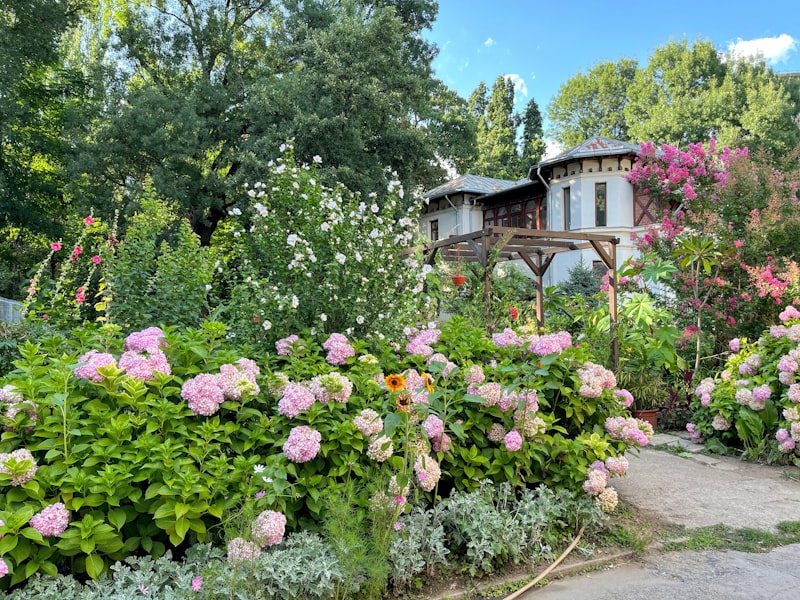
The cottage garden style has always captured my imagination - that romantic, overflowing abundance of flowers, the sense that nature has been allowed to run slightly wild. Creating my own cottage garden has been a journey in embracing controlled chaos.
What is a Cottage Garden?
Traditional cottage gardens were practical spaces where vegetables, herbs, and flowers grew together. Today’s cottage gardens emphasize:
- Dense plantings
- Informal design
- Traditional flowers
- Climbing plants
- Self-seeding plants
- Romantic color palette
Designing the Space
The Layout
Unlike formal gardens with straight lines, cottage gardens meander:
- Curved pathways
- Mixed borders
- Plants spilling onto paths
- Hidden corners
The Bones
Even informal gardens need structure:
- Trees: Crabapple, dogwood
- Shrubs: Lilac, viburnum, roses
- Paths: Brick, gravel, or stepping stones
- Fences and Arbors: Support for climbers
Plant Selection
The Classics
Roses
- Climbing roses on arbors
- Shrub roses in borders
- Old-fashioned varieties for fragrance
Perennials
- Hollyhocks (cottage garden icons)
- Delphiniums (vertical accents)
- Peonies (spring drama)
- Phlox (summer fragrance)
- Coneflowers (long bloom)
Annuals
- Sweet peas (essential)
- Cosmos (airy fillers)
- Nasturtiums (edible and trailing)
- Sunflowers (cheerful height)
Self-Seeders
- Foxgloves
- Poppies
- Larkspur
- Forget-me-nots
The Color Palette
I chose a romantic palette:
- Pinks and purples
- Whites and creams
- Soft blues
- Touches of yellow
Creating Layers
The Back of the Border
Tallest plants: hollyhocks, delphiniums, sunflowers
The Middle
Medium height: phlox, coneflowers, roses, peonies
The Front
Shorter plants: catmint, lady’s mantle, dianthus
The Edges
Plants spilling over: aubrieta, creeping thyme, nasturtiums
The Climbing Elements
Arbors and Trellises
- Climbing roses (‘New Dawn’, ‘Zephirine Drouhin’)
- Clematis (planted to climb through roses)
- Sweet peas (annual but essential)
- Honeysuckle (for fragrance)
The Cottage Look
The key is abundance - plants should be so dense that you can’t see soil. This comes from:
- Close planting
- Self-seeding plants
- Generous perennials
- Annual fillers
Seasonal Flow
Spring
- Bulbs (tulips, daffodils)
- Peonies
- Iris
- Early roses
Summer
- Peak bloom
- Roses in full glory
- Delphiniums
- Phlox
- Sweet peas
Fall
- Late-blooming perennials
- Seed heads
- Fall-planted bulbs for next year
Winter
- Structure from shrubs
- Seed heads left standing
- Planning for next year
Maintenance (Yes, There Is Some)
What I Do
- Deadhead for continuous bloom
- Stake tall plants discreetly
- Divide perennials every few years
- Let plants self-seed where appropriate
- Edit volunteers that appear in wrong places
What I Don’t Do
- Worry about perfection
- Use pesticides
- Over-tidy (the look is relaxed)
- Stress about color clashes
The Romance
The cottage garden has become my outdoor room. Morning coffee among the flowers, evening wine watching the light fade, cutting flowers for the house - these rituals have enriched my daily life.
Cutting Garden
Part of the cottage garden tradition is bringing flowers indoors. I grow extras specifically for cutting:
- Sweet peas (never enough)
- Zinnias (bright and long-lasting)
- Cosmos (airy and abundant)
- Dahlias (late summer stars)
Lessons from the Cottage Garden
Abundance Over Perfection
The cottage garden celebrates fullness and life, not pristine perfection.
Patience
Gardens take years to mature. Plants need time to fill in and establish.
Editing
Letting plants self-seed means accepting some as volunteers and removing others. It’s a dialogue with the garden.
Joy
The cottage garden brings daily joy - the first rose bloom, the scent of sweet peas, the buzz of bees, the simple pleasure of beauty.
My Cottage Garden Now
Three years in, the garden is finally becoming what I imagined. Paths wind through borders overflowing with flowers. Roses climb the arbor. Bees and butterflies are constant visitors. The garden feels like a living painting that changes daily.
The cottage garden has taught me that beauty doesn’t require formality, that there’s magic in a little wildness, and that the best gardens are those that bring joy to both the gardener and the visitors - human and otherwise.