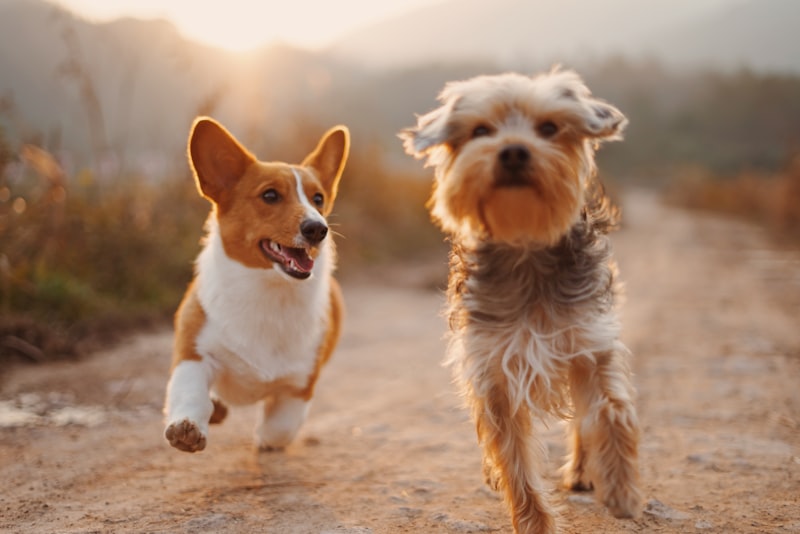
The dog park used to intimidate me. A fenced area full of unknown dogs and owners - what could go wrong? But learning to navigate this space has been invaluable for my dog’s socialization and my education as a dog owner.
First Visit
Preparation
Before our first visit:
- Basic training (come, sit, leave it)
- Up-to-date vaccinations
- Proper collar with ID
- Poop bags
- Water bowl
The Arrival
I was nervous. The process:
- Park away from entrance
- Approach calmly
- Enter the double-gated area
- Remove leash inside the gate
- Let dog enter at his own pace
The Experience
Max was overwhelmed at first. So many dogs! But within minutes, he was playing, and I was learning.
Understanding Dog Play
Play Styles
Dogs have different play styles:
Chasers
- Love to run and be chased
- High energy
- Need space
Wrestlers
- Physical play
- Mouthy
- Need willing partners
Chasers and Wrestlers
- Mix of both
- Adaptable
- Good with many dogs
Observers
- Prefer to watch
- May not play much
- Still enjoying social time
Play Signals
Healthy play includes:
- Play bows (front down, butt up)
- Taking turns chasing
- Self-handicapping (big dogs being gentle)
- Breaks in play
- Open, relaxed mouths
Warning Signs
Play getting too rough:
- Raised hackles
- Stiff body posture
- Intense staring
- Pinning without breaks
- Yelping or snapping
Dog Park Etiquette
For Dogs
Should Visit
- Well-socialized dogs
- Vaccinated dogs
- Dogs who come when called
- Neutered/spayed (usually required)
Should Not Visit
- Aggressive dogs
- Dogs in heat
- Sick dogs
- Puppies under 4 months
For Owners
Do
- Watch your dog at all times
- Pick up poop immediately
- Respect other dogs’ space
- Ask before giving treats
- Leave if your dog is overwhelmed
Don’t
- Be on phone constantly
- Bring small children
- Bring food (causes fights)
- Ignore warning signs
- Let your dog bully others
The Regulars
The Dogs
We see the same dogs regularly:
- Buddy - The greeter, loves everyone
- Luna - The runner, never stops moving
- Max - The wrestler, always looking for a match
- Daisy - The observer, watches from the sidelines
The Owners
A community forms:
- Regulars know each other
- Share training tips
- Watch each other’s dogs
- Become friends
Benefits of Dog Parks
For Dogs
- Socialization with various dogs
- Physical exercise
- Mental stimulation
- Learning dog language
- Burning energy
For Owners
- Meeting other dog lovers
- Learning from experienced owners
- Seeing different training approaches
- Building community
- Exercise (walking the perimeter)
Challenges
Conflict
Dogs will have disagreements:
- Most are noise, not aggression
- Watch body language
- Intervene if needed
- Don’t panic
Bullying
Some dogs bully others:
- Watch for targeting
- Remove your dog if being bullied
- Remove your dog if he’s the bully
- Talk to owners calmly
Overstimulation
Some dogs get overwhelmed:
- Watch for stress signals
- Take breaks
- Leave if needed
- Build tolerance gradually
Our Progress
Month 1
Max was cautious:
- Stayed near me
- Observed more than played
- A few brief play sessions
- Learning the routine
Month 3
Confidence growing:
- Enters eagerly
- Initiates play
- Has regular play partners
- Better recall in the park
Month 6
Regular park-goer:
- Knows the routine
- Has dog friends
- Good recall even while playing
- I can predict his behavior
What I’ve Learned
Dog Body Language
I’ve become fluent in dog:
- Relaxed vs. tense
- Play vs. aggression
- Stress signals
- Calming signals
Advocacy
I’ve learned to advocate for my dog:
- Intervene when needed
- Say no to unwanted interactions
- Leave if the environment isn’t right
- Not worry about what others think
Community
Dog people are generally good people:
- Willing to help
- Understanding of challenges
- Quick to forgive mistakes
- Supportive
Letting Go
I’ve learned to let my dog be a dog:
- Not micromanaging every interaction
- Allowing appropriate rough play
- Trusting him to communicate
- Enjoying his joy
The Dog Park as Teacher
The dog park has taught me as much as any training class. I’ve learned to read dogs, to trust my instincts, to advocate for my dog, and to let him learn from other dogs.
Most importantly, I’ve seen pure joy - dogs doing what dogs do, running, playing, being free. That joy is contagious. It reminds me why I have a dog in the first place.
The dog park isn’t for every dog or every owner. But for us, it’s become an important part of our routine - a place for exercise, socialization, and community. Every visit teaches us something new.