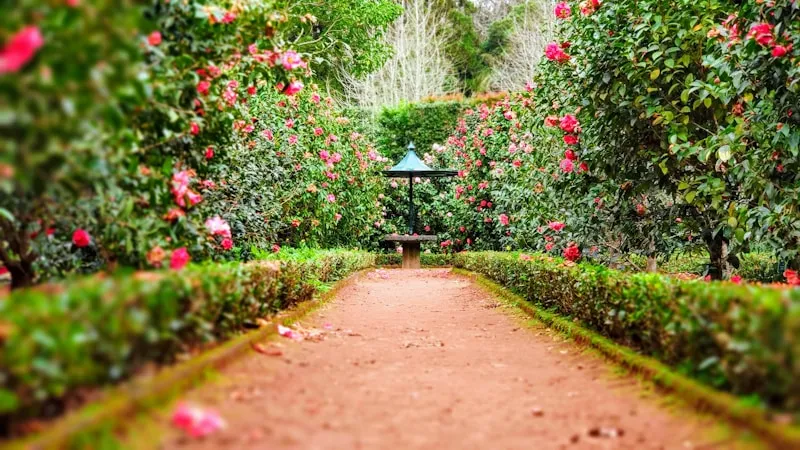
Three years ago, my backyard was a monoculture of grass - green, uniform, and lifeless. Today, it’s a buzzing, blooming wildlife haven. Here’s how I transformed a lawn into an ecosystem.
The Vision
I wanted more than aesthetics. I wanted:
- Habitat for wildlife
- Year-round interest
- Low maintenance
- Sustainability
- Beauty
Phase 1: Planning and Observation
Site Analysis
For a full year, I observed:
- Sun patterns throughout seasons
- Wet and dry areas
- Existing wildlife visitors
- Soil conditions
Design Principles
- Layer plants (ground cover, shrubs, trees)
- Group plants for visual impact
- Include water features
- Create pathways for exploration
Phase 2: Removing the Lawn
Sheet Mulching
Instead of using chemicals, I sheet mulched:
- Mow grass as short as possible
- Cover with cardboard (remove tape)
- Add 4-6 inches of compost
- Wait 3-6 months
This killed the grass while building soil health.
Phase 3: Plant Selection
Native Plants
I focused on plants native to my region:
- Purple Coneflower - Pollinator magnet
- Black-eyed Susan - Bright blooms
- Butterfly Weed - Monarch host plant
- Little Bluestem - Native grass
- Serviceberry - Edible berries for birds
Layers
Canopy: Existing oak tree Understory: Dogwood, redbud Shrubs: Native viburnum, winterberry Perennials: Coneflowers, asters, goldenrod Ground covers: Wild ginger, foamflower
Phase 4: Creating Habitat Features
Pollinator Garden
Dedicated area with:
- Continuous bloom from spring to fall
- Various flower shapes for different pollinators
- Host plants for butterfly larvae
- Shallow water source
Brush Pile
A small brush pile provides shelter for:
- Small mammals
- Overwintering insects
- Birds escaping predators
Water Feature
A small pond with shallow edges attracts:
- Birds for bathing
- Frogs and toads
- Dragonflies
- Butterflies for puddling
The Results
Wildlife Sightings
Year 1: Bees and butterflies appeared Year 2: Birds nested, frogs moved in Year 3: A complete ecosystem with predators and prey
Seasonal Interest
Spring: Bulbs, early perennials, returning birds Summer: Peak bloom, butterflies, bees Fall: Asters, goldenrod, migrating birds Winter: Seed heads, berries, overwintering birds
Maintenance
What I Do
- Leave seed heads for winter interest and bird food
- Cut back perennials in spring (not fall)
- Pull invasive seedlings
- Add mulch annually
- Water only during establishment
What I Don’t Do
- Use pesticides
- Fertilize (native plants don’t need it)
- Rake leaves (they provide habitat)
- Over-tidy (wildlife needs mess)
Lessons Learned
Patience
Gardens take time. The first year was sparse. By year three, it was lush and full.
Imperfection
A wildlife garden isn’t tidy. Dead leaves, seed heads, and some “weeds” are part of the ecosystem.
Observation
The garden teaches me something new every day. Each season brings discoveries.
Connection
I feel connected to the land, the seasons, and the creatures that share my space. The garden has become a relationship, not just a project.
The Joy
Now, I start each day with coffee in the garden, watching bees on the coneflowers, listening to birds, spotting butterflies. The transformation from lawn to haven has transformed me too - into a steward of a small piece of Earth.
The garden has taught me that we can make a difference, one yard at a time. By choosing native plants, eliminating chemicals, and welcoming wildlife, we can create corridors of habitat that connect and support the natural world.