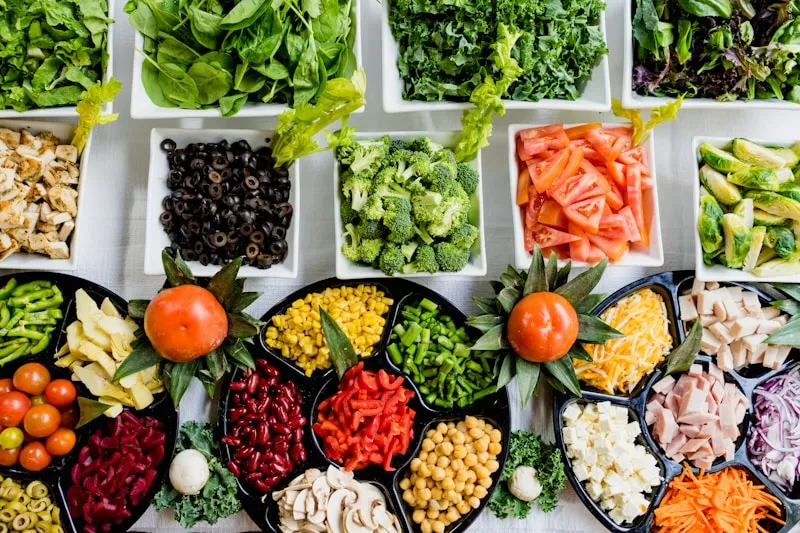
The Mediterranean diet isn’t just about food - it’s a lifestyle that emphasizes fresh ingredients, simple preparations, and the joy of eating together. Adopting this way of eating has transformed my health and my relationship with food.
The Mediterranean Pantry
Essential Ingredients
- Extra virgin olive oil - The foundation
- Legumes - Chickpeas, lentils, white beans
- Whole grains - Farro, bulgur, whole wheat
- Nuts and seeds - Almonds, walnuts, pine nuts
- Fresh herbs - Basil, oregano, parsley, mint
- Cheeses - Feta, halloumi, pecorino
- Olives - Various varieties
- Tomatoes - Fresh and sun-dried
- Lemons - For brightness
Simple Preparations
The beauty of Mediterranean cooking lies in its simplicity.
Greek Salad (Horiatiki)
Ingredients:
- Tomatoes, cucumbers, red onion
- Kalamata olives
- Feta cheese
- Olive oil and oregano
No lettuce, no fancy dressing. Let quality ingredients shine.
Hummus
Homemade hummus is infinitely better than store-bought.
The Secret:
- Use dried chickpeas, soaked and cooked
- Add plenty of tahini
- Blend while warm
- Finish with olive oil and paprika
Shakshuka
Eggs poached in spiced tomato sauce - perfect for any meal.
The Base:
- Sautéed onions and peppers
- Canned tomatoes with cumin and paprika
- Crack eggs into the sauce
- Cover until whites set
Vegetable-Forward Dishes
Ratatouille
Layered vegetables baked slowly until meltingly tender.
Stuffed Vegetables
Tomatoes, peppers, and zucchini stuffed with rice, herbs, and sometimes meat.
Grilled Vegetables
Simple grilling with olive oil and herbs transforms vegetables into something special.
Fish and Seafood
The Mediterranean is surrounded by sea, and fish features prominently.
Grilled Whole Fish
Seasoned with olive oil, lemon, and herbs. Simple and perfect.
Seafood Pasta
Fresh seafood with olive oil, garlic, white wine, and parsley.
Legume Dishes
Lentil Soup
Warming, nutritious, and satisfying. A staple across the Mediterranean.
Fasolada (Greek Bean Soup)
White beans, tomatoes, celery, and carrots in a rich broth.
The Lifestyle
Eating Together
Meals are social events. Long lunches, leisurely dinners, conversation flowing as freely as wine.
Wine in Moderation
Red wine with meals is traditional. The key is moderation and enjoyment.
Physical Activity
Walking, swimming, gardening - movement is part of daily life, not a separate activity.
Health Benefits
Since adopting Mediterranean eating:
- More energy
- Better digestion
- Improved mood
- Sustainable weight management
- Lower cholesterol
Lessons from the Mediterranean
Quality Over Quantity
Better ingredients, smaller portions. Satisfaction comes from quality, not volume.
Pleasure in Eating
Food is to be enjoyed, not rushed. Taking time to eat mindfully enhances both digestion and satisfaction.
Flexibility
The Mediterranean diet isn’t rigid. It’s a pattern of eating that adapts to seasons, occasions, and preferences.
Sustainability
This way of eating is sustainable for both personal health and the planet. Plant-forward, local, seasonal.
My Mediterranean Kitchen
Now my kitchen is stocked with olive oil, lemons, and herbs. I cook simply, letting ingredients speak for themselves. Meals are occasions, not just fuel.
The Mediterranean diet has taught me that healthy eating doesn’t mean deprivation. It means embracing abundance - of vegetables, of flavors, of shared meals. It’s not a diet in the restrictive sense; it’s a way of life that celebrates food and community.