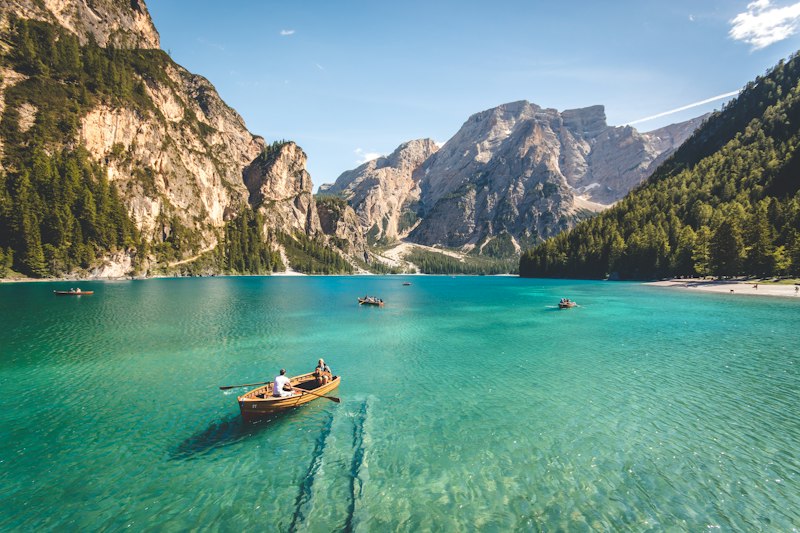
America’s National Parks are called “America’s best idea” for good reason. These protected landscapes preserve the country’s most spectacular natural treasures for all to enjoy.
The Park System
The Numbers
- 63 National Parks
- 400+ National Park Service sites
- 84 million acres protected
- 300+ million annual visitors
The Mission
“The National Park Service preserves unimpaired the natural and cultural resources and values of the National Park System for the enjoyment, education, and inspiration of this and future generations.”
My Park Journey
How It Started
A trip to Yellowstone changed everything:
- Saw landscapes I didn’t know existed
- Witnessed wildlife in natural habitat
- Felt small in the best way
- Wanted to see more
The Goal
Visit all 63 National Parks:
- 23 down, 40 to go
- Each one unique
- No rush, savoring each
- A lifetime project
Iconic Parks
Yellowstone
The first National Park (1872):
- Geysers and hot springs
- Bison herds
- Grand Canyon of the Yellowstone
- Where it all began
Grand Canyon
A mile-deep wonder:
- Overwhelming scale
- Layered rock history
- Sunrise and sunset magic
- Hiking adventures
Yosemite
Granite and waterfalls:
- El Capitan
- Half Dome
- Yosemite Falls
- John Muir’s inspiration
Zion
Red rock cathedral:
- Towering cliffs
- The Narrows
- Angels Landing
- Desert beauty
Hidden Gems
Great Basin
Remote and quiet:
- Ancient bristlecone pines
- Lehman Caves
- Dark sky paradise
- Fewer crowds
Isle Royale
Lake Superior island:
- Moose and wolves
- Backpacking paradise
- Ferry or seaplane access
- True wilderness feel
Dry Tortugas
Remote island park:
- Civil War fort
- Snorkeling paradise
- 70 miles from Key West
- Boat or seaplane only
What Parks Offer
Natural Beauty
- Dramatic landscapes
- Unique geology
- Diverse ecosystems
- Seasonal changes
Wildlife
- Animals in natural habitat
- Bird watching
- Marine life
- Night sky creatures
History
- Native American heritage
- Pioneer stories
- Geological time
- Conservation history
Adventure
- Hiking trails
- Backpacking
- Rock climbing
- Water activities
Solitude
Even in popular parks:
- Early mornings
- Weekdays
- Off-season
- Backcountry trails
Planning Park Visits
Timing
Peak Season
- Summer: crowded but accessible
- Plan ahead for lodging
- Make reservations early
Shoulder Seasons
- Spring and fall: ideal
- Fewer crowds
- Variable weather
- Better availability
Winter
- Some parks close
- Others transform
- Unique experiences
- Fewer visitors
Reservations
Many parks now require:
- Entrance reservations
- Camping reservations
- Backcountry permits
- Popular trail permits
Plan ahead!
What to Bring
Day Trip
- Water and snacks
- Layers of clothing
- Sun protection
- Map (paper backup)
Overnight
- All of above plus
- Camping gear
- Food storage (bear country)
- Emergency supplies
Park Etiquette
Leave No Trace
Seven principles:
- Plan ahead and prepare
- Travel on durable surfaces
- Dispose of waste properly
- Leave what you find
- Minimize campfire impact
- Respect wildlife
- Be considerate of others
Wildlife Safety
- Keep distance (100 yards bears/wolves, 25 yards others)
- Never feed animals
- Store food properly
- Stay on trails
Respect Others
- Keep noise down
- Yield on trails
- Share viewpoints
- Be patient
The Importance of Parks
Conservation
Parks protect:
- Endangered species
- Unique ecosystems
- Geological wonders
- Cultural sites
Education
Parks teach about:
- Natural history
- Conservation
- Climate change
- Our place in nature
Recreation
Parks provide:
- Physical activity
- Mental health benefits
- Family bonding
- Adventure opportunities
Economic Impact
Parks support:
- Local economies
- Tourism jobs
- Gateway communities
- Outdoor industry
Challenges Parks Face
Overcrowding
Popular parks struggle:
- Traffic jams
- Trail damage
- Wildlife disturbance
- Infrastructure strain
Solutions:
- Reservation systems
- Shuttles
- Alternative parks
- Off-peak visiting
Climate Change
Impacts visible:
- Glaciers melting
- Fire seasons lengthening
- Wildlife patterns changing
- Sea level rise
Funding
Parks need:
- Infrastructure repairs
- Staff
- Conservation programs
- Visitor services
What Parks Have Taught Me
Humility
Nature’s scale puts human concerns in perspective. We’re small and brief.
Stewardship
These places need protection. We’re responsible for future generations.
Presence
In wild places, I’m fully present. No distractions, just experience.
Connection
Parks connect me to:
- The natural world
- American history
- My own capabilities
- Fellow visitors
The Park Passport
I carry a National Park Passport:
- Cancellation stamps at each park
- Record of visits
- Memories preserved
- Motivation to visit more
Each stamp represents an adventure, a lesson, a memory. The passport fills slowly, but each addition is meaningful.
A Lifetime of Discovery
The National Parks have become my life’s project. Each visit teaches something new, reveals another wonder, deepens my appreciation for the natural world.
These parks are more than vacation destinations. They’re classrooms, sanctuaries, adventure grounds, and reminders of what matters. They preserve the best of America - its wild heart, its natural beauty, its commitment to conservation.
Every American should experience these places. They belong to all of us, and they need all of us to protect them for the future.