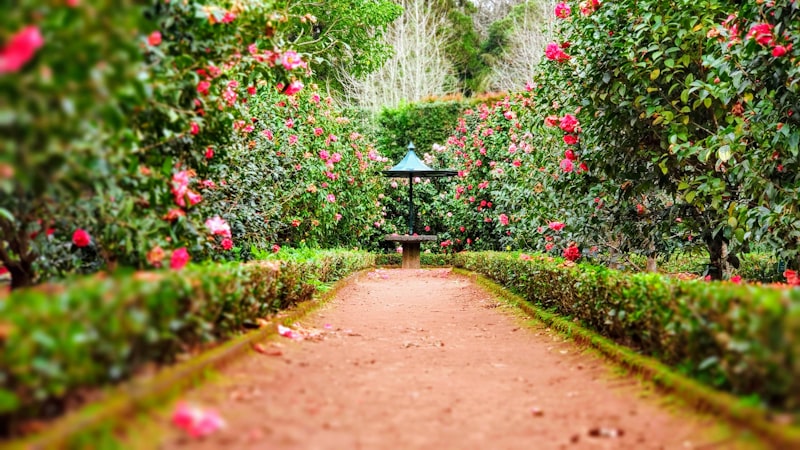
A garden can be more than visual. Creating a sensory garden - one that engages all five senses - has transformed my garden from a place to look at into a place to experience fully.
The Concept
What is a Sensory Garden?
A space designed to stimulate all senses:
- Sight: Colors, shapes, movement
- Smell: Fragrances, aromas
- Touch: Textures, temperatures
- Taste: Edible plants
- Sound: Rustling leaves, water, wildlife
Who Benefits
Everyone, but especially:
- Children learning about nature
- Elderly with memory issues
- Visually impaired visitors
- Anyone seeking mindful connection
Sight: Beyond Flowers
Color Through Seasons
Spring
- Bulbs in succession
- Early perennials
- Fresh green growth
Summer
- Peak bloom
- Bold colors
- Long days
Fall
- Foliage color
- Late bloomers
- Seed heads
Winter
- Evergreen structure
- Berries
- Bark interest
Movement
- Ornamental grasses swaying
- Butterflies and bees
- Wind spinners
- Water features
Light and Shadow
- Dappled shade
- Evening light
- Moonlight on pale flowers
Smell: The Invisible Garden
Fragrant Flowers
Daytime
- Roses
- Lavender
- Sweet peas
- Jasmine
Evening
- Moonflower
- Evening primrose
- Night-blooming jasmine
- Honeysuckle
Aromatic Foliage
- Herbs (rosemary, thyme, mint)
- Scented geraniums
- Pine and cedar
- Eucalyptus
Placement
Plant fragrant plants:
- Along paths (brush against)
- Near seating areas
- By entrances
- Under windows
Touch: Texture Garden
Soft
- Lamb’s ear
- Moss
- Feather grass
- Pussy willow
Rough
- Tree bark
- Rough stones
- Pine cones
- Sea holly
Cool
- Smooth stones
- Water
- Shade plants
Warm
- Sun-warmed rocks
- Dark surfaces
Caution
Avoid plants that:
- Are prickly without warning
- Cause skin irritation
- Are poisonous to touch
Taste: The Edible Garden
Easy Edibles
- Herbs (mint, basil, chives)
- Berries (strawberries, blueberries)
- Cherry tomatoes
- Edible flowers (nasturtiums, pansies)
Fruit Trees
- Dwarf varieties for small spaces
- Blossoms in spring
- Fruit in season
Tea Garden
- Mint varieties
- Chamomile
- Lemon balm
- Stevia
Safety
- Clearly label edible plants
- Avoid pesticides
- Teach children what’s safe to eat
Sound: The Music of the Garden
Water
- Fountain (constant sound)
- Waterfall (white noise)
- Bubbling pot (gentle)
- Pond (occasional splashes)
Plants
- Ornamental grasses (rustling)
- Bamboo (clacking)
- Trees (wind through leaves)
- Seed pods (rattling)
Wildlife
- Bird song
- Bees buzzing
- Frogs croaking
- Wind chimes (if desired)
Hard Surfaces
- Gravel paths (crunching)
- Wooden bridges (creaking)
- Stone steps (solid)
Designing the Sensory Garden
Zones
Create areas focused on different senses:
- A fragrance garden
- A texture path
- An edible border
- A sound corner
The Journey
Lead visitors through experiences:
- Start with visual impact
- Draw them in with fragrance
- Invite touch
- Surprise with taste
- Soothe with sound
Accessibility
- Wide, smooth paths
- Raised beds for easy reach
- Clear signage
- Rest areas
Seasonal Interest
Plan for year-round sensory experience:
- Winter bark and berries
- Spring fragrance and fresh growth
- Summer abundance
- Fall foliage and seed heads
My Sensory Garden
The Entrance
- Fragrant roses on arbor
- Sound of small fountain
- Soft lamb’s ear edging path
The Main Path
- Textured stones underfoot
- Herbs to brush against
- Grasses rustling in breeze
The Seating Area
- Surrounded by fragrant plants
- View of bird bath
- Cherry tomatoes within reach
- Water feature audible
The Secret Corner
- Shade garden with moss
- Ferns for texture
- Wind chimes
- Cool and quiet
Benefits I’ve Experienced
Mindfulness
The sensory garden forces presence. You can’t rush through it without missing the experience.
Stress Relief
Engaging all senses grounds me in the moment. Worries fade as I focus on what I’m experiencing.
Connection
Visitors engage more deeply with a sensory garden. It sparks conversation and shared discovery.
Joy
The simple pleasures of smelling a rose, tasting a berry, feeling soft leaves - these bring daily joy.
Lessons from the Sensory Garden
Slowing Down
A sensory garden can’t be experienced quickly. It teaches patience and presence.
Attention
Noticing details - a subtle fragrance, a soft texture, a distant bird song - enriches life.
Design for Experience
Thinking about how a garden will be experienced, not just how it will look, creates deeper, more meaningful spaces.
Accessibility
Designing for all senses makes the garden accessible to everyone, regardless of abilities.
The Gift of Presence
My sensory garden has taught me to be present in a world that encourages distraction. Each visit is an opportunity to disconnect from screens and reconnect with the physical world.
The garden engages my whole being - not just my eyes, but my nose, fingers, tongue, ears. This full engagement brings a satisfaction that looking at a garden never could.
The sensory garden has become my meditation space, my playground, my sanctuary. It reminds me that life is meant to be experienced fully, with all our senses engaged.