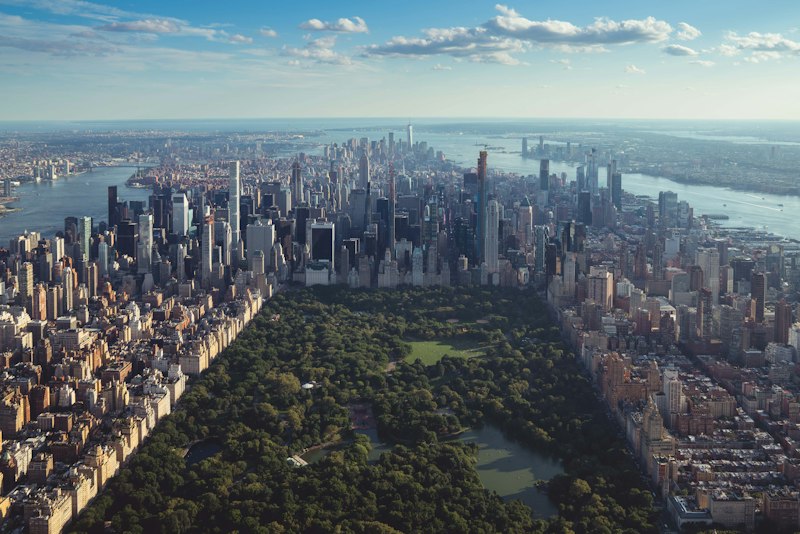
In the concrete jungle, urban parks are sanctuaries. These green spaces do more than provide pretty views - they’re essential infrastructure for healthy, livable cities.
Why Urban Parks Matter
Health Benefits
Physical Health
- Space for exercise
- Walking and running paths
- Sports facilities
- Active recreation
Mental Health
- Stress reduction
- Mood improvement
- Cognitive restoration
- Connection to nature
Social Health
- Community gathering
- Social interaction
- Event spaces
- Shared experiences
Environmental Benefits
Air Quality
- Trees filter pollutants
- Oxygen production
- Carbon sequestration
- Dust capture
Temperature
- Urban heat island mitigation
- Shade provision
- Cooling effect
- Energy savings
Water
- Stormwater management
- Flood prevention
- Groundwater recharge
- Water quality improvement
Biodiversity
- Habitat for wildlife
- Native plant preservation
- Pollinator corridors
- Ecological connectivity
Economic Benefits
Property Values
- Parks increase nearby property values
- Attractive neighborhoods
- Business attraction
- Tourism appeal
Healthcare Savings
- Improved public health
- Reduced healthcare costs
- Mental health benefits
- Active lifestyle promotion
Types of Urban Parks
Large Parks
Central parks within cities:
- Multiple facilities
- Diverse landscapes
- Full-day destinations
- Major landmarks
Examples:
- Central Park, NYC
- Golden Gate Park, SF
- Grant Park, Chicago
- Stanley Park, Vancouver
Neighborhood Parks
Local green spaces:
- Walking distance
- Playground equipment
- Open lawns
- Community focus
Pocket Parks
Small urban oases:
- Tiny spaces transformed
- Often under 1 acre
- Neighborhood gems
- Quick escapes
Linear Parks
Green corridors:
- Former rail lines
- River corridors
- Connect neighborhoods
- Alternative transportation
Examples:
- High Line, NYC
- The 606, Chicago
- BeltLine, Atlanta
Specialty Parks
Dog Parks
- Off-leash areas
- Socialization space
- Community building
- Exercise opportunities
Skate Parks
- Youth engagement
- Skill development
- Safe spaces for skating
- Community building
Community Gardens
- Food production
- Social connection
- Education
- Green space
What Makes a Great Urban Park
Accessibility
- Easy to reach
- Multiple entrances
- Public transit access
- ADA compliance
- Safe pathways
Safety
- Good lighting
- Clear sight lines
- Regular maintenance
- Active use
- Community presence
Amenities
- Restrooms
- Water fountains
- Seating
- Shade
- Playgrounds
Programming
- Events and activities
- Fitness classes
- Concerts
- Markets
- Educational programs
Design
- Multiple use areas
- Flexible spaces
- Beautiful landscaping
- Art installations
- Water features
My Local Park
What It Offers
- 2-mile walking loop
- Playground
- Tennis courts
- Community garden
- Open lawn
- Mature trees
What It Means to Me
Morning Routine
- Daily walk
- Coffee on a bench
- Nature observation
- Community connection
Evening Retreat
- Sunset watching
- Reading on the lawn
- Stress relief
- Transition to evening
Community Hub
- Neighbor interactions
- Dog walker community
- Event attendance
- Shared space
Challenges Facing Urban Parks
Funding
- Maintenance costs
- Staff needs
- Programming budgets
- Infrastructure repairs
Overuse
- Popular parks strained
- Wear and tear
- Capacity issues
- Need for management
Safety Concerns
- Homelessness
- Crime perception
- Maintenance issues
- Need for presence
Development Pressure
- Land value
- Development interest
- Need for protection
- Advocacy required
Advocating for Parks
Get Involved
- Friends of parks groups
- Volunteer opportunities
- Community meetings
- Advocacy organizations
Use Them
- Regular visits
- Attend events
- Support programming
- Be present
Speak Up
- Contact representatives
- Attend budget hearings
- Write letters
- Vote for park funding
The Future of Urban Parks
Trends
Inclusive Design
- All abilities access
- Multi-generational spaces
- Diverse programming
- Cultural representation
Sustainability
- Native plantings
- Stormwater management
- Renewable energy
- Climate resilience
Technology
- Free WiFi
- Interactive elements
- Smart lighting
- Digital programming
Health Focus
- Fitness equipment
- Mental health gardens
- Therapeutic landscapes
- Active design
What Parks Have Taught Me
Community
Parks bring together people who might never otherwise meet. They’re democratic spaces where everyone belongs.
Nature
Even small parks connect us to natural rhythms - seasons, weather, growth, decay.
Stewardship
Parks need care. Learning to care for shared spaces is a civic lesson.
Joy
Simple pleasures - a bench in the sun, children playing, trees in bloom - these are available to all in parks.
A Call to Appreciate
Urban parks are gifts we often take for granted. They require investment, maintenance, and advocacy. They deserve our appreciation, our use, and our protection.
Next time you pass a park, enter it. Sit on a bench. Walk a path. Watch the people, the trees, the life that happens there. These green spaces are what make cities livable, what connect us to nature and each other.
Urban parks are not luxuries. They’re essential infrastructure for human wellbeing. The more we use them, appreciate them, and advocate for them, the better our cities will be.