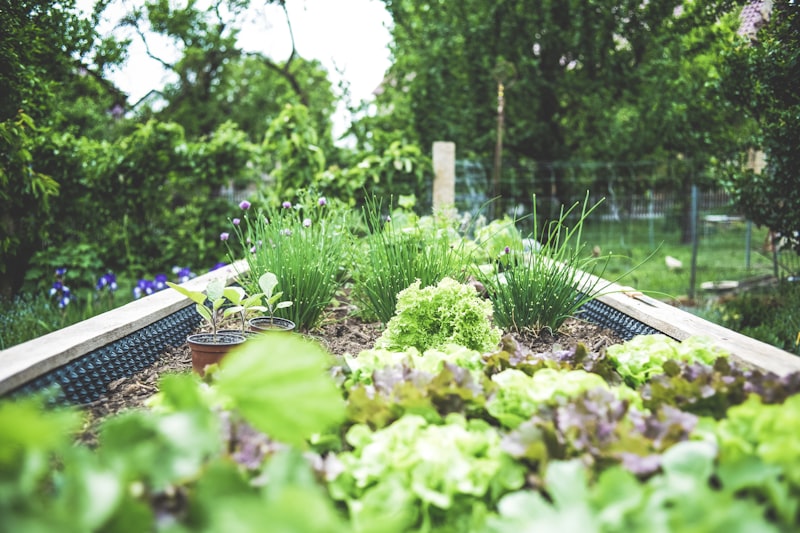
Starting a vegetable garden seemed straightforward. How hard could it be? Put seeds in soil, add water, harvest vegetables. My first year taught me just how naive that assumption was - and how rewarding the journey would be.
Planning the Garden
Site Selection
I chose the sunniest spot in my yard - 8+ hours of direct sunlight. This was my first good decision.
Size Matters
I started too big. A 20x20 foot plot was overwhelming. Next time, I’d start with 4x8 feet and expand.
Raised Beds vs. In-Ground
I chose raised beds for:
- Better drainage
- Warmer soil in spring
- Less bending
- Clear boundaries
Building the Beds
Materials
Cedar or redwood for rot resistance. Avoided treated lumber (chemicals leach into soil).
Soil Mix
The “perfect mix”:
- 60% topsoil
- 30% compost
- 10% other organic matter
I sourced bulk materials from a local landscape supply - much cheaper than bags.
What I Grew (and What Grew)
Successes
Tomatoes
- Indeterminate varieties
- Needed more support than I provided
- Learned to prune suckers
- Harvested until first frost
Zucchini
- One plant was enough (actually too much)
- Overwhelmed by harvest
- Next time: share with neighbors
Lettuce and Greens
- Easy from seed
- Succession planting kept harvest continuous
- Bolted in summer heat
- Fall crop was even better
Herbs
- Basil, parsley, cilantro
- Grew like weeds
- Preserved by freezing in olive oil
Failures
Carrots
- Soil too rich (forked carrots)
- Thinning was tedious
- Next time: grow in containers with sandy soil
Corn
- Not enough plants for pollination
- Took up too much space
- Bought from farmers market instead
Broccoli
- Cabbage moths decimated it
- Needed row covers
- Gave up after caterpillars won
Pest Management
The Enemies
- Squash bugs - Hand-picked daily
- Tomato hornworms - Found by following droppings
- Cabbage moths - Row covers for prevention
- Rabbits - Fence was essential
Organic Solutions
- Neem oil for soft-bodied insects
- Diatomaceous earth for crawling pests
- Companion planting (marigolds, basil)
- Encouraging beneficial insects
Watering Wisdom
Mistakes Made
- Watered too frequently, shallowly
- Watered leaves (disease risk)
- Forgot to water during hot spells
Better Practices
- Deep watering, less frequently
- Water at soil level
- Mulch to retain moisture
- Soaker hoses on timers
The Harvest
First Tomatoes
Nothing compares to that first tomato, warm from the sun, eaten right in the garden. Store-bought will never taste the same.
Abundance
By August, I was overwhelmed. I learned to:
- Preserve (canning, freezing, drying)
- Share with neighbors
- Cook simply to showcase fresh flavors
Lessons from Year One
Start Small
A small, well-maintained garden is better than a large, neglected one.
Accept Imperfection
Some plants will fail. Pests will eat some vegetables. This is normal.
Observe Daily
Walking the garden each morning reveals problems early and brings joy.
Grow What You Eat
No point growing radishes if you don’t like them. Focus on favorites.
It’s a Journey
Every failure taught something. Every success was sweeter for the effort.
Year Two Plans
- Start seeds indoors
- Add more raised beds
- Install drip irrigation
- Try new varieties
- Keep better records
The vegetable garden has taught me patience, humility, and the deep satisfaction of growing my own food. There’s magic in putting a seed in soil and watching it become dinner.